
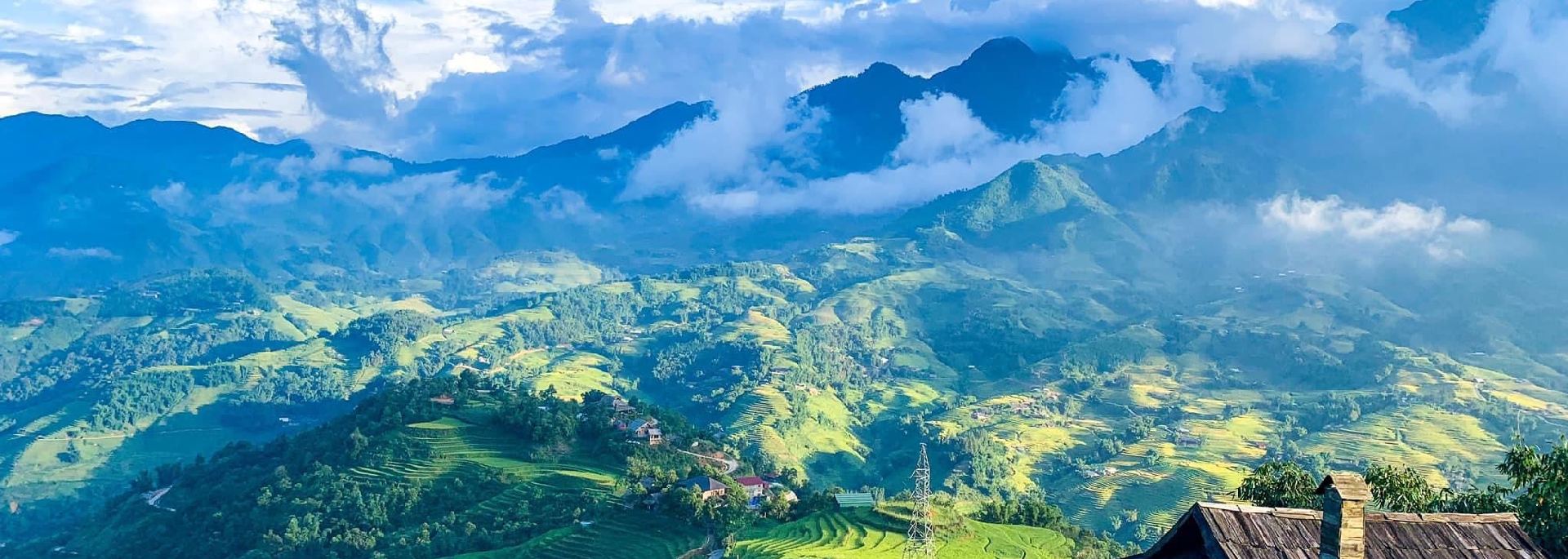
Everything you should know before traveling to Sapa - Vietnam
Located in the northwest of Vietnam, Sapa is a renowned hill station in Lao Cai Province, near the border with China. With a history as a beloved retreat for over a century, Sapa has long attracted both domestic and international travelers seeking natural beauty and cultural richness. The region is famed for its breathtaking landscapes, where majestic mountains and terraced rice fields stretch across lush green valleys, creating some of the most iconic scenery in Vietnam.
Beyond its striking landscapes, Sapa is also home to a diverse range of ethnic minority communities, each with their own unique traditions, colorful attire, and rich cultural heritage. Visitors have the opportunity to experience authentic local life, from traditional markets to village homestays, offering a deeper connection to the region’s identity. Combined with its fresh mountain air and pleasantly cool climate throughout much of the year, Sapa provides a refreshing escape from the heat and bustle of the lowlands, making it an unmissable destination for nature lovers and cultural explorers alike.
How to Get to Sapa
Located about 350 km from Hanoi and around 40 km from Lao Cai, Sapa is now easier than ever to reach thanks to improved transport options. Whether you prefer comfort, speed, or a more scenic journey, there are several ways to travel to this mountainous destination.
From Lao Cai to Sapa
Once you arrive in Lao Cai, the final leg to Sapa is by road. Travelers can choose from public buses, private cars with drivers, or even motorbike rentals for a more adventurous experience. The journey takes approximately 1 hour, offering beautiful views of the surrounding mountains along the way.
From Hanoi to Lao Cai / Sapa
By Train
Traveling by train from Hanoi Railway Station to Lao Cai Railway Station is one of the most popular and traditional ways to reach Sapa. The journey takes about 8 hours, with both daytime and overnight options available. Night trains are highly recommended, as they are more convenient and typically have fewer stops. Popular departures include the SP1 and SP3 trains in the late evening, allowing you to arrive in Lao Cai early the next morning.
By Road (Bus or Private Car)
With the modern Hanoi–Lao Cai expressway now in operation, traveling by road has become faster and more convenient. The journey takes approximately 4 to 5 hours, making it the preferred option for many travelers. Numerous sleeper buses, limousine vans, and private cars depart daily from the Old Quarter and other parts of the city. These services run frequently from early morning to midday, with return trips from Sapa to Hanoi in the afternoon.
Choosing the Best Option
- Train: Ideal for those seeking a classic travel experience and overnight convenience
- Bus/Car: Best for speed and direct access to Sapa town
- Private transport: Perfect for comfort, flexibility, and scenic stops along the way
With a range of transport options available, getting to Sapa is now a smooth and enjoyable journey, setting the stage for an unforgettable adventure in Vietnam’s northern highlands.
Where to Stay in Sapa
As one of Vietnam’s most popular mountain destinations, Sapa offers a wide range of accommodation options to suit every travel style and budget. From luxurious resorts with panoramic views to simple guesthouses and authentic village homestays, visitors are spoiled for choice when deciding where to stay.
For those seeking comfort and high-end experiences, Sapa features a growing number of upscale hotels and resorts, many of which boast stunning views of terraced rice fields and the surrounding mountains. These properties often include premium amenities such as spas, heated pools, and fine dining, making them ideal for a relaxing retreat. Mid-range hotels are also widely available in Sapa town, offering a good balance between comfort, location, and affordability.
Budget travelers can easily find guesthouses and mini-hotels, particularly around the town center, providing clean and convenient accommodation at reasonable prices. Meanwhile, for a more immersive cultural experience, staying in a homestay in nearby ethnic minority villages is highly recommended. These stays allow visitors to connect with local communities and experience traditional lifestyles firsthand.
In recent years, eco-lodges have become increasingly popular, blending sustainable design with nature-focused experiences. Often located slightly outside the main town, these lodges offer tranquility, scenic landscapes, and a deeper connection to Sapa’s natural beauty.
With hundreds of accommodation options ranging from 1- to 5-star standards, prices in Sapa vary depending on location, facilities, and reputation. Whether you prefer luxury, authenticity, or budget-friendly comfort, Sapa has something to match every traveler’s needs.
Plan your trip
Tell us about your plans and one of our specialists will plan a unique trip for you...
MAKE AN ENQUIRY