Everything you should know before traveling to Cao Bang
Where on Earth Is Cao Bang?
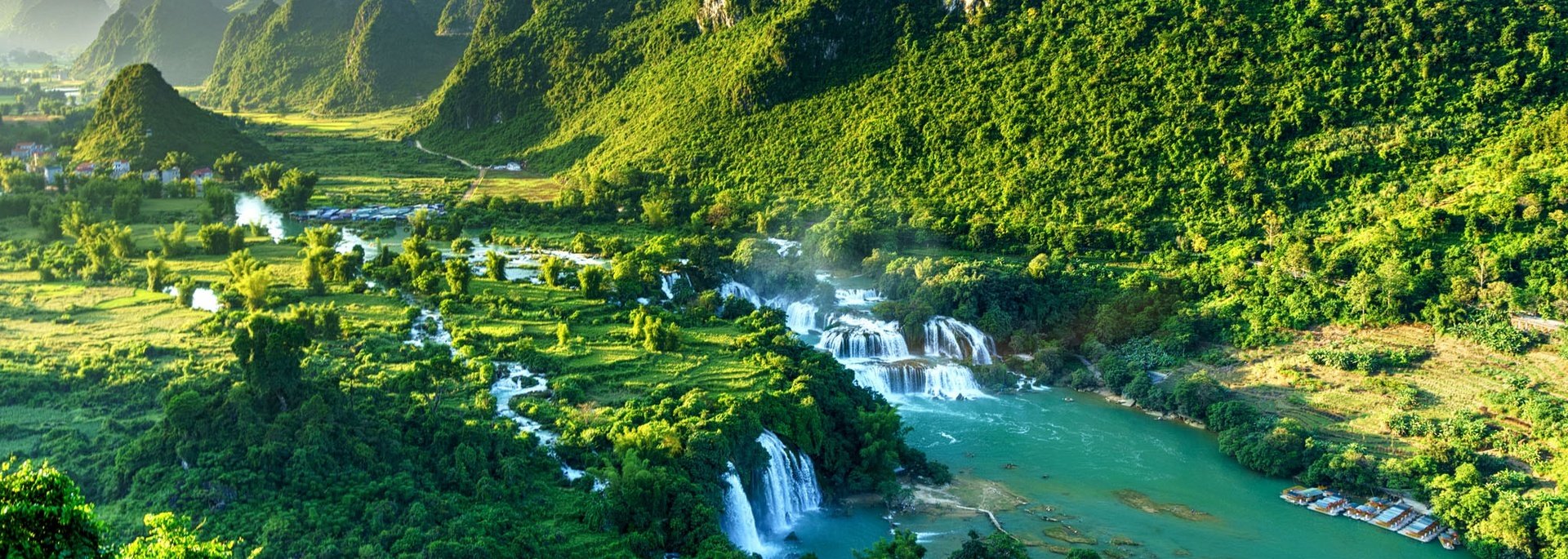
Tucked into Vietnam's far northeastern corner, Cao Bang Province shares a border with China's Guangxi region and sits roughly 270 kilometres north of Hanoi. The landscape here is unlike anywhere else in the country — a UNESCO-recognised Global Geopark dominated by karst limestone peaks, dense subtropical forests, turquoise rivers, and cascading waterfalls. For most foreign visitors, Cao Bang remains blissfully off the tourist trail, which is precisely its charm.
Best Time to Visit
Cao Bang has two distinct seasons, and timing your trip well makes an enormous difference.
October to April is the dry season and the sweet spot for most travellers. The air is crisp and clear, waterfalls run at a dramatic full flow after the rains, and visibility across the karst valleys is spectacular. December and January can bring cold mountain fog — bring a jacket.
May to September is the rainy season. Lush greenery explodes across the hills, but roads into remote areas can become dangerously slippery and some smaller roads wash out entirely. Flash flooding is a genuine risk in river valleys. Unless you're an experienced, adventurous traveller who doesn't mind uncertainty, this period is best avoided.
Local tip: mid-September to mid-November is widely considered the golden window — the rains ease, rice terraces turn amber-gold before harvest, and the mountains glow on clear days.
Getting There
There is no airport in Cao Bang. Your options are:
By sleeper bus from Hanoi: Several reputable carriers run overnight buses departing from Hanoi's My Dinh or Gia Lam stations. The journey takes roughly 7–8 hours and is the most popular and affordable option for independent travellers. Book at least a day in advance during peak season.
By private car or motorbike: Experienced riders tackle the winding National Route 3 from Hanoi through Bac Kan Province. The scenery is extraordinary, but the road demands full attention — tight mountain curves, heavy trucks, and roaming water buffalo are constant companions. Allow a full day.
By taxi or private transfer: Hired cars from Hanoi take 5–6 hours via the expressway to Thai Nguyen before switching to mountain roads. Comfortable and flexible, but more expensive.
Once in Cao Bang Town, renting a motorbike (100–150cc semi-automatic bikes are widely available for $7–12/day) gives you the freedom the region demands. Most key sites are 30–90 minutes from town on two wheels.
Must-See Attractions
Ban Gioc Waterfall is the undisputed highlight — the largest waterfall in Southeast Asia and, by many accounts, one of the most beautiful in all of Asia. Straddling the Vietnamese-Chinese border, its multi-tiered curtains of white water thunder into a turquoise pool below. Arrive early (before 8 a.m.) to beat the domestic tour groups and catch the morning mist. Bamboo raft rides on the pool below offer a close-up perspective worth every cent.
Nguom Ngao Cave, just two kilometres from Ban Gioc, is an immense cave system stretching over two kilometres into the karst mountain. Its stalactite formations are genuinely world-class. Wear non-slip shoes — the walkways inside are damp.
Phja Oac – Phja Den National Park in Nguyen Binh District is a highland escape of pine forests, cloud-wrapped peaks, and cool temperatures year-round. Trekking routes here are still largely undeveloped, making it ideal for those who prefer solitude over signposted trails. Hire a local guide from Nguyen Binh town — the park's paths are not clearly marked for independent hikers.
Cao Bang Town itself rewards an afternoon of wandering. The morning market near the Kim Dong Bridge is a lively gathering point for Tay, Nung, Dao, and H'mong minority communities who descend from surrounding villages to trade.
Food: What to Eat and Where
Cao Bang's cuisine is rooted in the traditions of its ethnic minority communities and reflects the mountain climate — hearty, aromatic, and deeply satisfying.
Do not leave without trying Vit quay 7 vi (seven-spice roasted duck), the province's most celebrated dish. Ducks are marinated overnight in a blend of local spices including star anise, honey, and galangal, then roasted over charcoal. Several family-run restaurants along Xuan Truong Street in Cao Bang Town specialise in it — look for the smoke.
Banh cuon nhan thit (steamed rice rolls with minced pork) are a popular breakfast staple. Find them fresh and hot at street stalls near the central market from 6 a.m.
Lam rice (sticky rice steamed inside bamboo tubes) and Chu Gan pork sausages are local specialties sold in roadside stalls on the route toward Ban Gioc — perfect road-trip fuel.
For drinks, local corn wine (ruou ngo) is strong, sharp, and an important part of Tay cultural hospitality. If offered a cup in a village home, accepting graciously is considered respectful.
Practical Tips for Foreign Visitors
Cash is king. ATMs exist in Cao Bang Town but are unreliable outside it. Withdraw sufficient Vietnamese Dong before heading to remote areas. No vendors near Ban Gioc or in the national park accept cards.
Connectivity. Mobile data (Viettel and Vietnamobile have the widest rural coverage) works in most areas but drops in deep valleys and caves. Download offline maps of the province before arriving — Google Maps and Maps.me both carry solid coverage.
Accommodation. Cao Bang Town has a growing range of guesthouses and mid-range hotels. Near Ban Gioc, a handful of homestays operated by local Tay families offer an authentic and affordable alternative to hotels — booking ahead is essential as they fill quickly on weekends.
Respect local customs. Many villages in Cao Bang are home to Tay and Nung communities with strong cultural traditions. Ask before photographing people, dress modestly when visiting village homes or local pagodas, and remove shoes when entering homes if others are doing so.
Border zone awareness. The area around Ban Gioc Waterfall and Nguom Ngao Cave falls within a designated border zone with China. Carry your passport at all times in this area — checkpoints operate on the approach road and authorities conduct routine document checks. Do not wade, swim, or boat across the river into Chinese territory.
Travel insurance. Mountain roads, unpredictable weather, and limited medical infrastructure in remote areas make comprehensive travel insurance — including emergency evacuation coverage — a practical necessity, not a luxury.
Cao Bang rewards patience and curiosity. It is not a destination engineered for tourism — there are no perfectly curated experience packages, no night markets with neon lights, no Instagram-famous cafés. What it offers instead is rarer: genuine wilderness, living culture, extraordinary geology, and the particular warmth of communities that are still pleasantly surprised to see a foreign face at the breakfast table. Come prepared, come respectful, and come with time to spare. The mountains here don't rush, and neither should you.
Plan your trip
Tell us about your plans and one of our specialists will plan a unique trip for you...
MAKE AN ENQUIRY