
Drive Ma Pi Leng Pass
"The road doesn't just take you through the mountains — it takes you to the edge of the sky itself."
Where the road becomes the destination
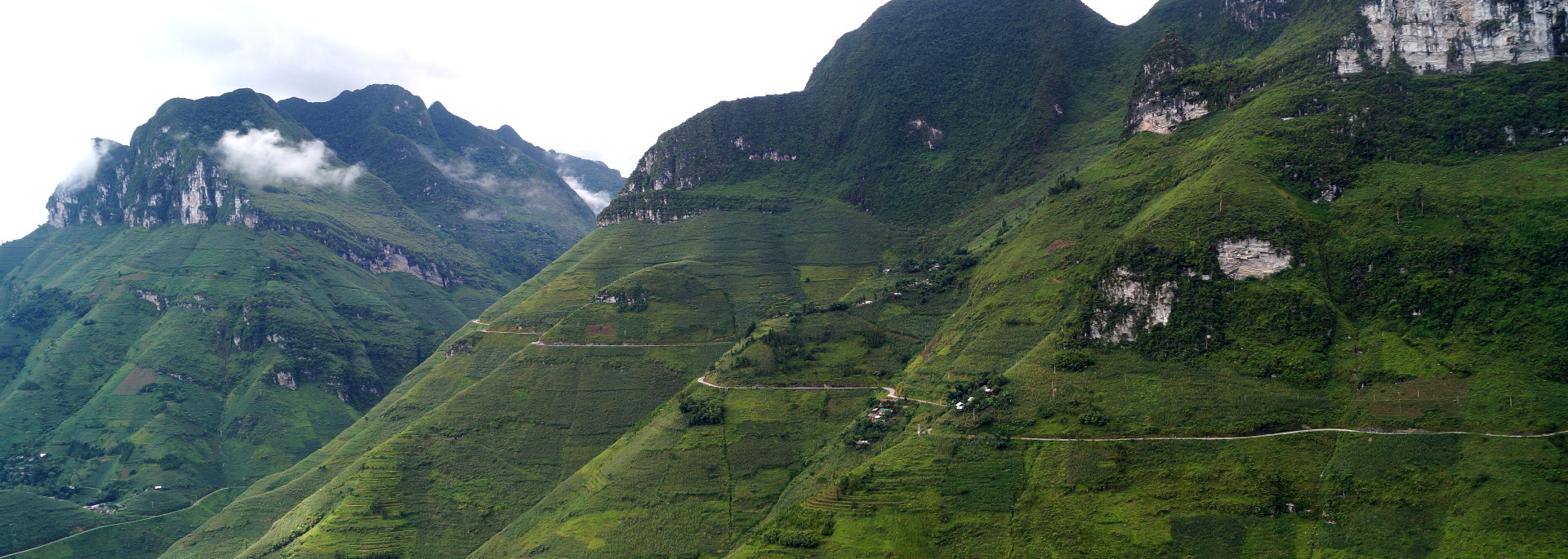
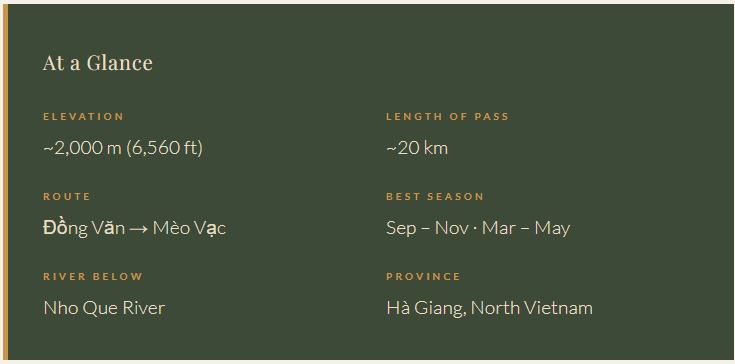
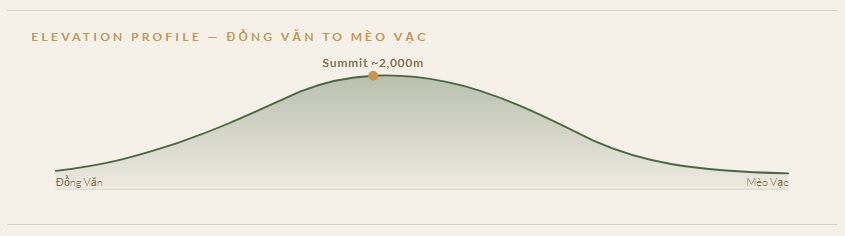
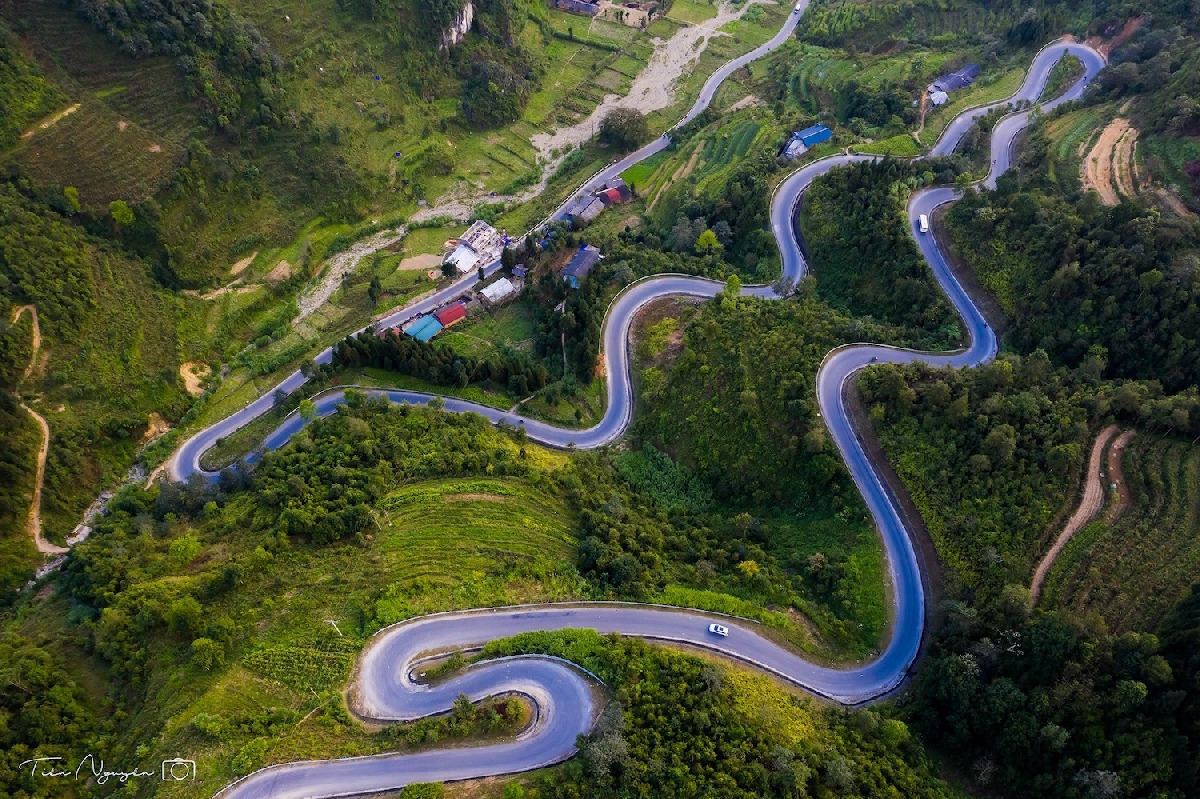
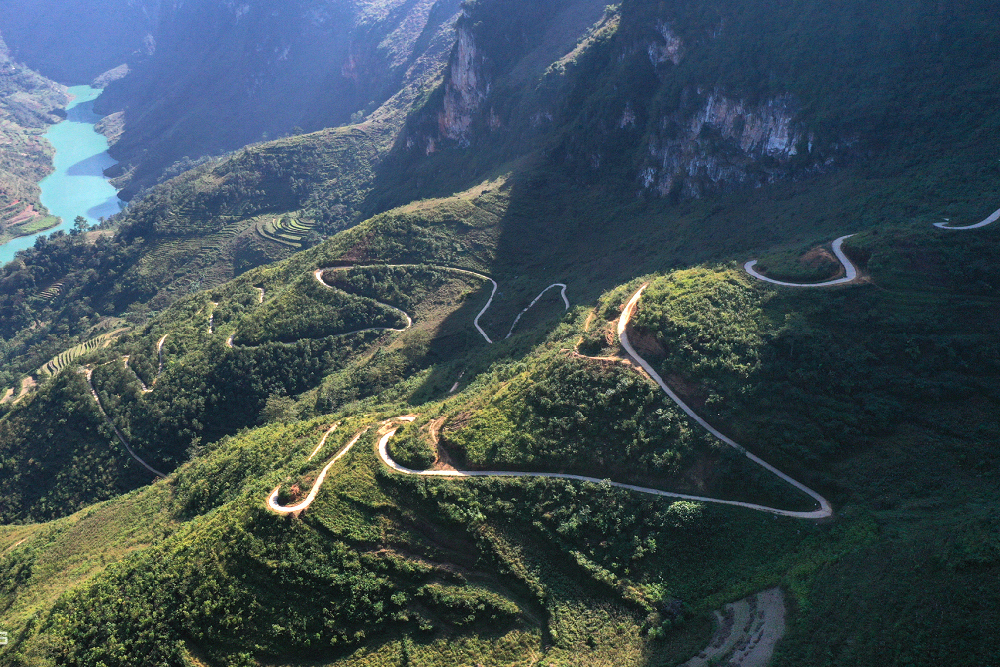
Ma Pi Leng Pass — Đèo Mã Pì Lèng in Vietnamese — is not merely a mountain road. It is widely celebrated as the most spectacular pass in Vietnam, a serpentine ribbon of asphalt that clings to cliff faces high above the Nho Que River, threading through a landscape of almost incomprehensible grandeur. At roughly 2,000 metres above sea level, it crowns the famous Ha Giang Loop and delivers views that simply cannot be prepared for.
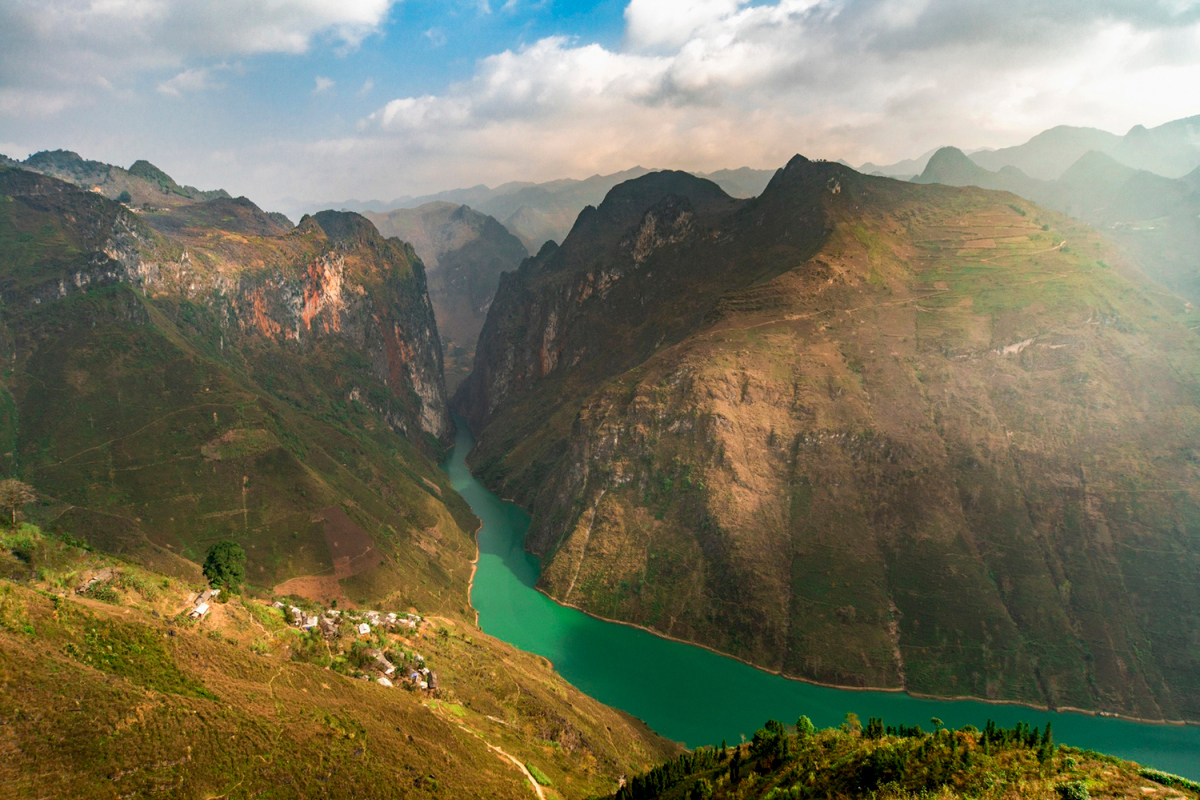
The name itself carries a certain poetry. In the Hmong language, Mã Pì Lèng is said to mean "the horse's nose bridge" — a reference to how a horse would have to crane its neck upward to see the ridge. Standing at the summit viewpoint, with limestone karst peaks receding into blue-grey infinity on every side and the jade-green Nho Que River glittering in the gorge hundreds of metres below, that poetic naming suddenly makes perfect, vertiginous sense.
A drive unlike any other in Southeast Asia
Most travellers reach Ma Pi Leng as part of the Ha Giang Loop — a multi-day motorbike or car circuit that winds through one of the last truly wild corners of Vietnam. The pass connects the ancient plateau town of Đồng Văn with the market town of Mèo Vạc, and the roughly twenty kilometres of road between them are, kilometre for kilometre, among the most dramatic driving anywhere on the continent.
The engineering alone is staggering. The original route was carved by hand — local ethnic minority workers spent several years of the late 1950s chiselling and blasting a path through sheer limestone cliff using only the most basic tools. Today a smooth sealed road follows those same impossibly steep contours, with the mountain rising vertically on one side and the gorge plunging hundreds of metres on the other. Guardrails are present but feel, at times, like a polite suggestion against the scale of everything around them.
At the summit, there is a formal viewpoint — the Vua Mèo lookout area — where most travellers stop to absorb the panorama. On clear mornings, the Nho Que River below shimmers a startling turquoise-green, a colour almost too vivid to be natural, hemmed in by towering karst walls. On misty days, the gorge disappears entirely into white cloud, and the effect is more dreamlike still — you are above the weather, in a world of bare rock and silence.
More than a view — a living landscape
What distinguishes Ma Pi Leng from other famous mountain passes is that the scenery is not static. This is the homeland of several ethnic minority groups — the Hmong, Tày, and Lô Lô peoples among them — and the hillsides are stitched with small villages, terraced cornfields, and ancient stone walls. On market days in Mèo Vạc, the road fills with people in traditional dress travelling on foot and by motorbike, adding a vivid human dimension to the landscape.
The light changes the pass entirely at different hours. Dawn brings a soft, lavender stillness; midday sharpens every edge into high contrast; late afternoon casts the limestone in warm amber. Photographers will find themselves paralysed by indecision at almost every bend.
Below the pass, the Nho Que River can be reached by a steep descent to the Thủy Điện Nho Quế reservoir — a scene of such theatrical beauty, with turquoise water enclosed by vertical karst cliffs, that it has become one of northern Vietnam's most photographed spots.
How to make the most of it
1. Go early. Aim to reach the summit viewpoint between 6 and 9 in the morning. The gorge below is often shrouded in mist that lifts gradually, and the light is gentler and more photogenic before midday traffic builds up.
2. Drive it yourself. While tours are available, the pass rewards slow, independent travel — stopping at any bend that catches your eye, lingering at the summit, and descending at your own pace. Motorbike (semi-automatic) is the most popular choice; those less confident can arrange an experienced driver for a very modest cost.
3. Time your visit seasonally. September to November brings clear skies, cooler temperatures, and the famous buckwheat flowers (tam giác mạch) blooming pink and purple across the plateau. March to May is lush and green. The winter months (December–February) can be cold and foggy but are dramatically beautiful in their own way.
4. Factor in the full loop. Ma Pi Leng sits within the Ha Giang Loop — a circuit that typically takes two to four days to complete in full. Rushing the pass as a day trip from the city misses the deeper rhythm of the journey. Plan at least one night in Đồng Văn and one in Mèo Vạc.
5. Respect the road. The pass has sharp hairpin bends, occasional gravel patches, and traffic from both directions. Drive at a pace that lets you respond to what's around the corner. The gorge is not forgiving.
Some roads give you a story. Ma Pi Leng gives you a reckoning — with scale, with silence, and with the world as it was before we tried to tame it."
Plan your trip
Tell us about your plans and one of our specialists will plan a unique trip for you...
MAKE AN ENQUIRY
Drive Ma Pi Leng Pass in pictures

Ideas for experiencingHa Giang
Experiences you have as you travel often hold the longest memories. As part of their research trips, our specialists seek out authentic ways to get to know Japan, and the best local guides. These activities reflect some of their best-loved experiences.