
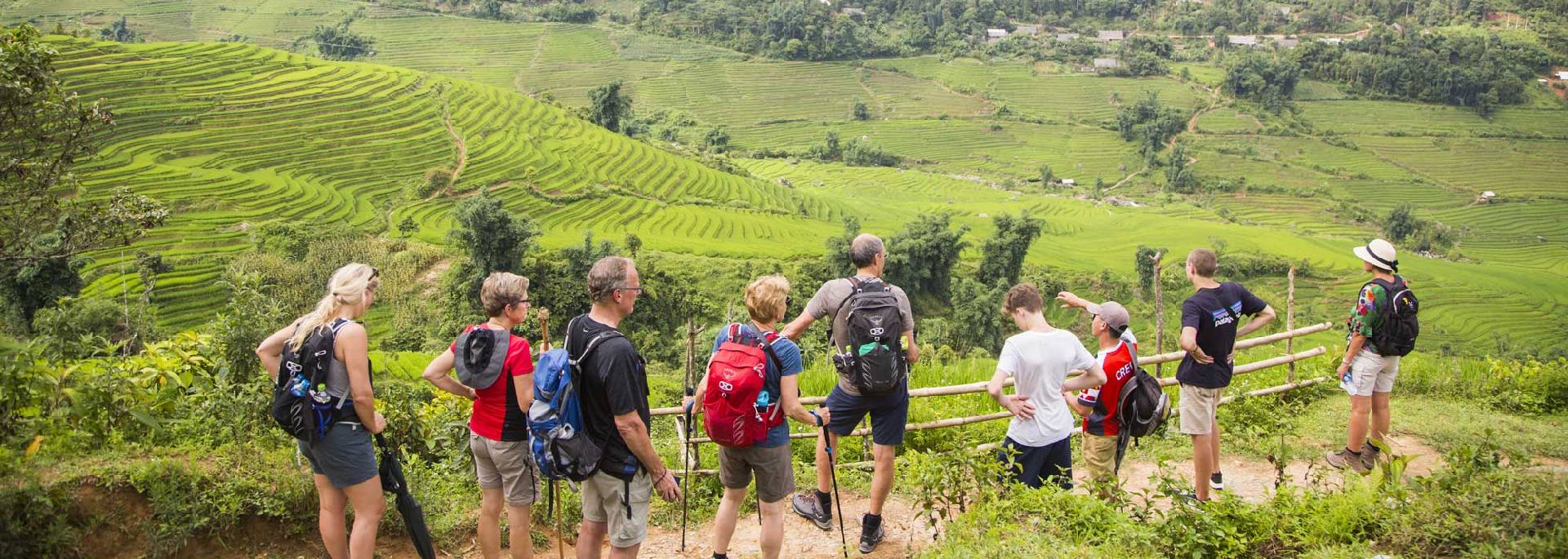
Trekking in Sapa: An Adventure Through Vietnam's Breathtaking Highlands
For travelers seeking an unforgettable experience that combines natural beauty, cultural immersion, and physical adventure, trekking in Sapa stands out as one of the most rewarding activities available in Vietnam. Located in the northern Hoang Lien Son Mountains, this picturesque town transforms visitors into explorers, offering trails that wind through emerald rice terraces, mist-shrouded valleys, and villages of ethnic minority communities. Whether you're an experienced hiker or a casual walker, Sapa's trekking routes offer something magical for everyone.
Why Sapa Is a Trekker's Paradise
Sapa's appeal as a trekking destination is rooted in its dramatic geography and cultural richness. Situated at approximately 1,500 meters above sea level, the town sits at the gateway to some of Southeast Asia's most stunning landscapes. The region experiences distinct seasons, each offering unique trekking conditions and visual experiences. During the spring and autumn months, the weather is mild and visibility is excellent, making these ideal seasons for exploring the highlands.
What truly sets Sapa apart from other trekking destinations is the seamless integration of nature and culture. As you hike, you're not simply traversing beautiful landscapes—you're also gaining genuine insights into the lives of the Red Dao, Hmong, Zao, and other ethnic minorities who call these mountains home. These communities have inhabited the region for centuries, developing sustainable agricultural practices and maintaining rich cultural traditions. Trekking provides an authentic way to experience their lifestyles while contributing economically to their communities through guide fees and village visits.
The Trekking Routes: Options for Every Level
Sapa offers a diverse range of trekking routes, each with distinct characteristics and difficulty levels. Beginners and casual hikers can enjoy the relatively easy Sapa town to Muong Hoa Valley trail, which descends through bamboo forests and past terraced rice fields. This route typically takes 4-6 hours and provides spectacular views without requiring advanced fitness levels. Along the way, you'll encounter minority villages where locals continue their traditional lifestyles, offering opportunities to purchase handcrafted textiles and learn about their customs directly.
For more experienced trekkers, the challenging Cat Cat to Tafresh route offers a more rigorous adventure. This 5-6 hour trek descends steeply into the valley, crosses a river, and climbs through villages perched on mountainsides. The physical demands are greater, but the rewards are equally significant—fewer tourists, more intimate village encounters, and a deeper sense of accomplishment upon completion.
One of the most popular multi-day options is the Sapa to Fansipan trek, Vietnam's highest mountain at 3,143 meters. This challenging 3-5 day expedition takes dedicated trekkers through diverse ecosystems, from subtropical forests at lower elevations to alpine meadows near the summit. Reaching Fansipan's peak is an achievement that few travelers forget, offering panoramic views of the surrounding mountains and valleys that stretch across the Vietnam-China border.
For those seeking a more immersive experience, homestay treks combine walking with overnight stays in ethnic minority villages. These overnight adventures allow visitors to experience genuine village life, sharing meals with local families, participating in daily activities, and gaining cultural understanding that day treks simply cannot provide. Waking to the sounds of roosters and village life, then setting out on morning trails, creates a rhythm that feels far removed from tourism yet intimately connected to the land.
The Natural Beauty: A Feast for the Senses
One cannot adequately describe Sapa's landscapes without invoking poetry. The terraced rice fields that cover the mountainsides are engineering marvels, sculpted by hand over generations to create ribbons of green that follow the natural contours of the terrain. During planting season, these terraces glow with the pale green of young rice shoots. In autumn, the fields mature to deep, golden-green. The morning mist that regularly descends on the valleys creates an ethereal atmosphere, as if you're walking through clouds.
The trekking trails themselves are diverse. Some wind through dense bamboo forests where the canopy filters sunlight into dappled patterns on the forest floor. Others traverse open hillsides offering unobstructed views across valleys and toward distant peaks. Mountain streams, some swift and dramatic after rainfall, provide natural checkpoints along the routes. The sounds of nature—bird calls, rustling leaves, flowing water—create a soundtrack for your journey, a sensory experience that contrasts sharply with the noise of urban environments.
Throughout the seasons, Sapa's natural palette changes dramatically. Spring brings wildflowers and fresh growth; summer offers lush greenery and occasional dramatic thunderstorms; autumn presents clear skies and golden light; winter can bring mist, cool temperatures, and even rare snowfall at higher elevations. Each season has its devoted followers, though spring and autumn are generally considered optimal for trekking.
Cultural Encounters: Connecting with Communities
The villages encountered during Sapa treks are not theme parks created for tourist consumption—they are living communities where people continue their daily lives much as they have for generations. Local guides, often from these communities themselves, provide invaluable context about village customs, agricultural practices, and cultural traditions. They can facilitate respectful interactions, helping visitors understand the significance of traditional clothing, explaining agricultural techniques, and introducing family members who eagerly share their stories.
These encounters are profoundly humanizing experiences. Sharing tea with a village family, watching children engage in daily chores, observing intricate weaving techniques—these moments remind trekkers of our common humanity while highlighting the different ways people organize their lives in harmony with their environment. Many visitors report that these cultural connections remain among the most meaningful aspects of their travels long after returning home.
Physical Benefits and Challenge
Trekking in Sapa provides genuine physical exercise. The terrain's elevation changes mean that even moderate-distance treks involve significant climbing. This challenge, however, is part of the appeal. The physical exertion enhances the sense of accomplishment when reaching scenic viewpoints or completing a full-day trek. The variable terrain also engages different muscle groups, providing a comprehensive workout that casual hiking elsewhere might not offer.
For those concerned about fitness, the advantage of trekking in Sapa is the flexibility to choose routes matching your ability level. You can start with easier trails to build confidence and fitness, then progress to more challenging routes. Local guides are experienced in adjusting pace and encouraging trekkers to complete their chosen routes at a comfortable speed.
Planning Your Sapa Trek
Most visitors book trekking tours through their accommodations or local tour operators. These packages typically include a guide, who serves multiple purposes: ensuring you don't get lost, providing cultural context, facilitating village visits, and offering assistance if physical challenges arise. Guides are familiar with local conditions, know the best times to visit villages, and understand how to interact respectfully with communities.
Essential preparation includes wearing appropriate footwear with good grip, bringing sufficient water, applying sunscreen, and dressing in layers to accommodate temperature changes. Starting early in the day is advisable to maximize daylight hours and avoid hurrying through scenic areas.
Conclusion: An Experience That Transforms
Trekking in Sapa transcends typical tourism. It's an immersive experience that engages your body, mind, and spirit. The combination of natural beauty, physical challenge, and cultural immersion creates memories that endure far beyond your return home. Whether you choose a casual day trek or a challenging multi-day adventure, Sapa's trails offer something profoundly rewarding—a genuine connection with one of Vietnam's most remarkable regions and the remarkable people who inhabit it.
For anyone planning a visit to Vietnam, trekking in Sapa should occupy a prominent place on the itinerary. It's not simply an activity to fill a day—it's an essential experience that will forever change how you perceive both the natural world and human connection.
Plan your trip
Tell us about your plans and one of our specialists will plan a unique trip for you...
MAKE AN ENQUIRY
You must have at least 4 photos to display slideshow.
Ideas for experiencingSapa
Experiences you have as you travel often hold the longest memories. As part of their research trips, our specialists seek out authentic ways to get to know Japan, and the best local guides. These activities reflect some of their best-loved experiences.