
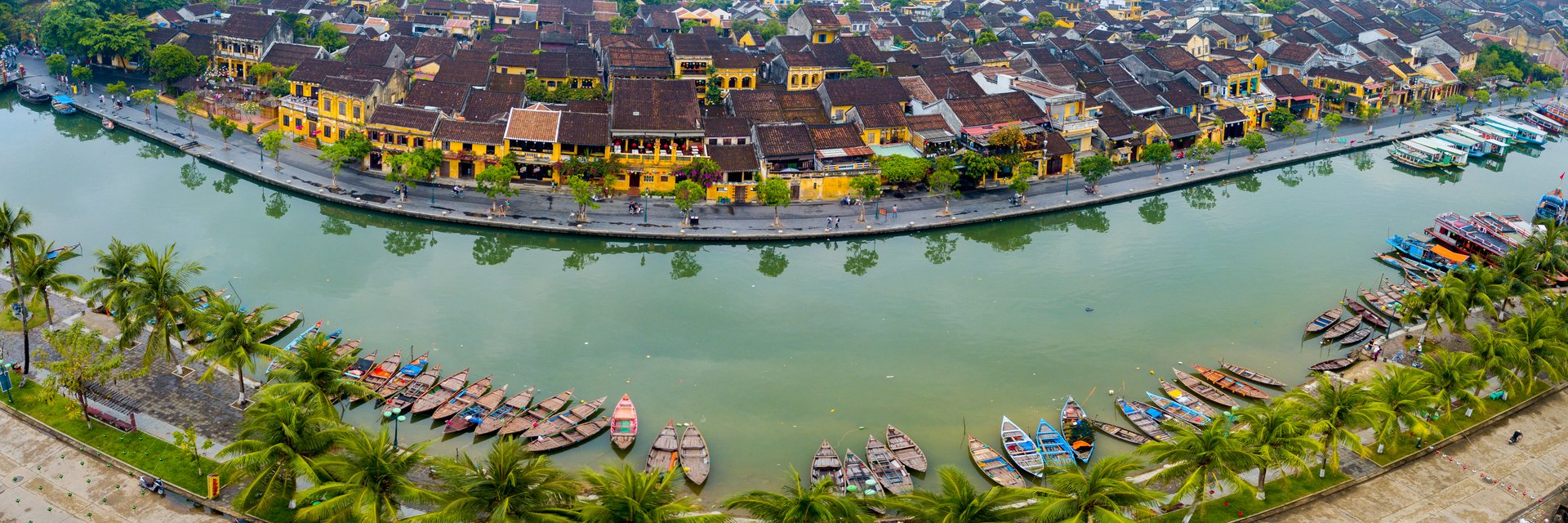
How Many Days in Hoi An Are Enough?
Hoi An has a well-earned reputation for making people miss their buses. You arrive planning two nights and find yourself rescheduling onward travel, enrolling in a cooking class you didn't budget for, and debating whether to order a third outfit from your tailor. That's not an accident — it's just Hoi An doing what it has always done to visitors.
So how many days should you actually plan for? The answer, according to locals who watch travelers come and go through this ancient trading town every season, depends on your travel style, what you want to experience, and how much of Central Vietnam you plan to cover.
The Absolute Minimum: 2 Days
If you're on a tight schedule, two days gives you enough time to explore the Ancient Town and squeeze in a trip to either My Son Sanctuary or the beach. It's a workable itinerary for transit travelers on a Vietnam sweep, but it comes with trade-offs. You'll see the lanterns, walk the riverside, and eat cao lầu — the thick, distinctive noodles tied specifically to Hoi An, traditionally made using water from the ancient Ba Le well and lye ash sourced from the Cham Islands. That combination gives the noodles their characteristic texture, served with sliced pork, herbs, and crunchy croutons.
But two days is rushed. The Ancient Town entrance ticket (120,000 VND) is valid for 24 hours, so splitting your visit across two days makes the most of it. You won't have time for a tailoring experience done properly, and you'll leave with a long mental list of things you didn't get to.
The Sweet Spot: 3 to 4 Days
At least two to three days is the ideal amount of time to fully experience Hoi An — but most experienced travelers and local guides would push that to four. Here's why four days works so well:
Days 1–2: The Ancient Town at Depth. Start at the Old Town Market Square, which has served as a commercial hub for centuries. Over 800 buildings from the 15th to 19th centuries still stand here, largely intact despite wars and modernization — a reminder that this was once a major trading hub for silk, spices, and porcelain. Visit the Japanese Covered Bridge, explore the Tan Ky Merchant House, and wander the covered market. Evenings in Hoi An are transformative: silk lanterns light up the streets and the whole town glows in their soft light. A boat ride on the Thu Bon River is a good way to take it all in — floating past old merchant houses while lanterns reflect on the water.
If you're getting clothing made — and you absolutely should — place your tailor order on Day 1. Expect at least two fittings over 24 to 48 hours for custom clothing. Quality tailors along Tran Phu and Le Loi streets do extraordinary work at a fraction of Western prices, but they need time. Rushing a fitting is how you end up with something unwearable.
Day 3: Beach and Village Life. Rent a bicycle — the preferred mode of transport for locals and savvy visitors alike — and pedal out to Tra Que vegetable village in the morning, where families have been growing herbs and greens using traditional methods for generations. In the afternoon, head to An Bang Beach. Unlike some of Vietnam's more developed resort beaches, An Bang still feels laid-back and local. You'll spot round thung chai basket boats dotting the shoreline — these bamboo vessels were originally designed during the French colonial era as a way to avoid taxes on regular boats. For lunch, fresh seafood restaurants like Shore Club serve grilled squid, tiger prawns with salt and chili, and whole red snapper straight from the morning catch.
Day 4: My Son Sanctuary. My Son Sanctuary, about 40 km from Hoi An, is tucked into a jungle-covered valley surrounded by mountains and represents the most important Cham archaeological site in Vietnam. The temples were constructed between the 4th and 14th centuries. The bricks were fired in place without mortar yet have stayed aligned for centuries — a technique that still puzzles archaeologists today. Even visitors with minimal interest in history tend to find it quietly overwhelming. Most tours depart early morning and return by early afternoon, leaving your last evening free for a final riverside meal and lantern-lit stroll.
For Specific Types of Travelers
Families with children (4–5 days): Hoi An is exceptionally child-friendly. Beyond the standard itinerary, add a bamboo basket boat experience through the coconut palm forest at Cam Thanh village — children are absolutely delighted by the spinning boats. An Bang Beach is the better choice for families over Cua Dai, as it remains calmer and less commercialized. Build in buffer time: children slow down the pace here, and that's actually a gift. A family cooking class at one of the organic farm restaurants in Tra Que village is a genuinely memorable activity that engages kids without overwhelming them.
Couples and honeymooners (4–6 days): Hoi An was practically designed for romance. Stay in the beach corridor between town and An Bang, where boutique resorts and garden villas offer extraordinary value compared to international standards. Spend mornings unhurried at the beach, afternoons in spa treatments or exploring the old town, and evenings at candlelit restaurants along Bach Dang Street overlooking the river. The Lantern Festival, held on the 14th of each lunar month when electric lights are switched off throughout the Ancient Town, is worth planning your entire trip around if your dates align.
Solo travelers and backpackers (3 days minimum): Three days covers the essentials comfortably for those moving efficiently through Vietnam. That said, Hoi An's hostel scene is sociable without being overwhelming, and the town has a reputation for holding solo travelers longer than planned. The café culture alone — riverside coffee shops, French-Vietnamese bakeries, hole-in-the-wall bánh mì spots — rewards aimless exploration in a way few places in Southeast Asia can match.
Combining Hoi An with Central Vietnam
Hoi An sits at the geographic heart of Central Vietnam, and combining it with nearby destinations dramatically enriches any trip.
Hoi An + Da Nang (add 2 days): Da Nang's international airport is just 30 km north, making it the natural arrival and departure hub. The Marble Mountains — a group of five limestone and marble formations named after the five elements in Vietnamese cosmology — have been spiritually significant for centuries and make for an excellent half-day trip between the two cities. Da Nang itself is worth an evening for its riverfront, Dragon Bridge, and rapidly evolving food scene.
Hoi An + Hue (add 2–3 days): The former imperial capital of Hue, roughly 120 km north, is the most rewarding pairing with Hoi An. The two cities are complementary in character: where Hoi An is mercantile and sensory, Hue is solemn and grand. The Imperial Citadel, the royal tomb complexes, the Thien Mu Pagoda, and Hue's own distinctive cuisine make it a destination in its own right. The journey between the two via the Hai Van Pass — one of Vietnam's most dramatic coastal drives — is itself a highlight. Hire a motorbike with a local guide, or join a small group tour over the pass.
Practical Notes
Vietnam's weather significantly affects your trip planning. During peak season from December through April, adding an extra day is wise as crowds can slow things down. In the rainy season from October through November, an extra day is good to have in case of flooding. Hoi An's Ancient Town sits close to the Thu Bon River and has a history of seasonal flooding — local guesthouses keep rubber boots by the door during the high-water months, which is charming until you're navigating knee-deep water to reach breakfast. Some of the best riverside restaurants book up a day in advance, so having extra time in your schedule gives you flexibility rather than forcing rushed decisions.
The Local Verdict
Ask anyone who has lived in Hoi An for years and the answer is consistent: four days is the sweet spot for most visitors. It's enough time to exhale, to eat the same dish twice because you loved it the first time, and to wake up on the last morning not counting the hours until your transfer. Three days will satisfy. Five days will ruin you for ordinary travel.
And if you find yourself asking the hotel receptionist about extending your stay before you've even finished unpacking — well, that's just Hoi An doing what it's always done.
Best time to visit: February to April for dry, mild weather with manageable crowds. The Lantern Festival (14th of each lunar month) is worth timing your trip around. Avoid October–November if flooding concerns you, though the off-season comes with its own quiet magic.
Plan your trip
Tell us about your plans and one of our specialists will plan a unique trip for you...
MAKE AN ENQUIRY