Things to Note Before Visiting Hội An
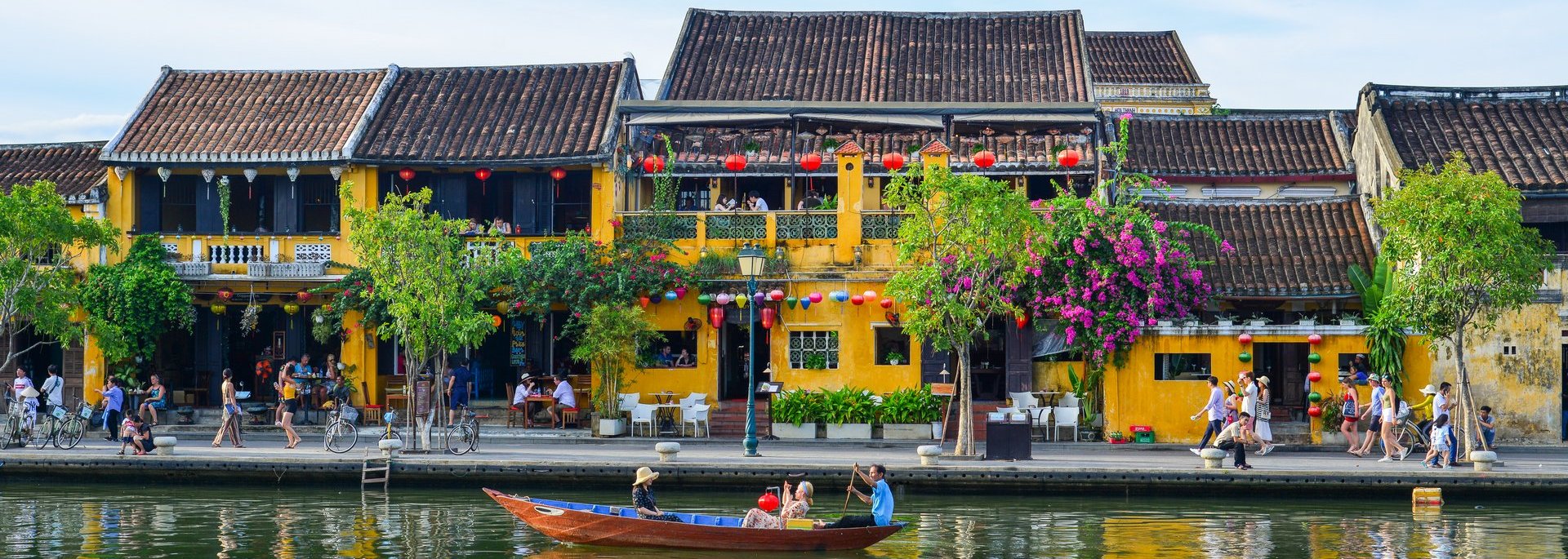
Hội An has ranked among Asia's most beloved destinations for years — and for good reason. Its lantern-hung alleyways, centuries-old merchant houses, and extraordinary food scene are genuinely unlike anywhere else in Vietnam. But to truly enjoy it, a little preparation goes a long way. Below are some tips before visiting Hoi An, the most important things that local experts want you to know before your trip.
1. Sort your Vietnam visa before you fly
- Visa requirements (Do this first)
Hội An has no airport of its own — most international visitors fly into Da Nang International Airport (DAD), meaning Vietnam's immigration rules apply the moment you land. Currently, citizens holding regular passports from 29 countries are granted visa-free access to Vietnam, including citizens of Germany, France, Italy, Spain, the UK, Japan, South Korea, several Nordic and Southeast Asia countries. Everyone else needs an e-visa, applied for in advance through the official Vietnam immigration portal through authorized Vietnamese visa agents.
Do not leave this until the last minute. Allow at least 4–6 business days for processing — more if your trip falls around the Tết lunar new year holiday, when government offices slow significantly.
2. Choose the right time of year
- Best time (Feb – Apr): Dry, mild, fewer crowds than peak
- Also fine (Jun – Aug): Hot and humid; peak tourist season
- Be cautious (Oct – Nov): Typhoon risk; flooding in Old Town
The sweet spot for visiting Hội An is February through April — skies are clear, temperatures are warm but not brutal, and crowds are thinner than the summer peak. The wet season runs from September to January, with October and November bringing the heaviest rainfall and the real risk of typhoons. The Old Town's low-lying streets are prone to flooding during this period, which, while atmospheric in photographs, can disrupt sightseeing significantly. If you do visit in the wet season, pack waterproof shoes and be flexible with your plans.
3. Buy your Old Town entry ticket
- Ancient Town admission: 120,000 VND (~$5)
Hội An Ancient Town is a UNESCO World Heritage Site and entrance is not free. A combined ticket costs 120,000 VND per person (around $5 USD) and grants access to the Old Town itself plus entry to five heritage sites of your choosing from a list that includes assembly halls, traditional merchant houses, museums, and the iconic Japanese Covered Bridge. Tickets are sold at the Tourist Service Centre on Trần Hưng Đạo Street, near the main entrance to the Old Town.
Note that tickets are checked at the entrances to paid attractions, not at every alleyway — you can walk the streets freely, but you'll need your ticket to actually enter most historic buildings. Keep it with you throughout your visit. Children under 7 enter for free.
4. Dress respectfully, especially at temples
- Dress code & local etiquette (Important)
Hội An is a living community, not just a museum. When visiting temples, assembly halls, and ancestral houses, cover your shoulders and knees. Many sites will have sarongs or wraps available to borrow at the entrance, but it's simpler — and more respectful — to dress appropriately before you arrive. Lightweight linen or cotton trousers and a loose shirt are perfect for the climate and the dress code simultaneously.
Remove your shoes before entering any temple, private home, or traditional house (look for shoes at the door as your cue). Greet locals with a smile. Avoid pointing at religious statues, and ask permission before photographing people — particularly the elderly vendors and fisherwomen whose images have become iconic on social media. A simple gesture of courtesy goes a long way in a town where tourism is ever-present.
5. Getting around: walk, cycle, or Xanh SM
- Transport inside Hội An (Walking is best)
The Old Town's historic core is compact and best explored entirely on foot. Many streets in the Ancient Town are closed to motorbikes and cars during peak hours, which makes wandering its alleyways genuinely peaceful. For slightly longer distances — to An Bàng Beach, Trà Quế Vegetable Village, or your hotel outside the centre — renting a bicycle is both practical and atmospheric. Most guesthouses offer bicycle rentals from around 50,000–80,000 VND per day.
For longer trips or when it's too hot to cycle, Xanh SM is the go-to app. Most rides within Hội An cost under 100,000 VND. One local quirk to be aware of: Xanh SM cars can enter the Ancient Town to drop you off, but they cannot pick you up from inside. For the return journey, step to the edge of the pedestrian zone or flag a local taxi.
6. Carry cash — VND is king
- Money & payments (Always have cash)
While larger restaurants and hotels accept credit cards, the heart of Hội An — its street food stalls, morning market vendors, banh mì carts, tailor deposits, and cyclo rides — runs entirely on Vietnamese Đồng (VND). Having cash on hand is not optional; it's essential. ATMs are available near the Old Town (look on Trần Hưng Đạo and Lê Lợi streets), but withdrawal fees can be high. The best strategy is to withdraw a larger amount less frequently.
The exchange rate at the time of writing sits at roughly 26,500 VND to $1 USD. Getting familiar with the zeros takes a day or two — 100,000 VND is about $4, and 500,000 VND is around $20. Never change money on the street; use bank ATMs or official exchange counters at your hotel.
7. The tailor scene: what locals want you to know
- Custom tailoring (Research first)
Hội An is famous worldwide as a custom tailoring destination, and with over 200 tailor shops in town, you will be spoiled for choice — and occasionally confused by it. The reality is that quality varies enormously. Experienced travellers recommend doing your research before arriving rather than simply walking into the nearest shop with a bright storefront. Look for tailors with consistent positive reviews on Google or TripAdvisor, ideally with photos of finished garments.
When you visit a tailor, come prepared: bring reference photos of styles you like, know your measurements if possible, and allow at least 2–3 days for fittings and alterations. Rushing a tailor produces rushed results. Negotiate the price upfront and pay a deposit only — settle the balance once you're satisfied with the finished piece. Reputable shops will also post garments internationally if you run out of time.
A note on the crowds: Hội An is genuinely one of Southeast Asia's most visited towns, and it shows — especially along the riverside at night. If you want to experience its quieter magic, explore the Old Town early in the morning before 8:00 AM, or during the midday lull when many visitors retreat from the heat. The atmosphere at those hours is closer to the town locals remember.
8. Food, water & health essentials
- Health & practical preparation (Don't skip this)
Do not drink tap water in Hội An. Stick to bottled water or filtered water provided by your hotel. Most restaurants catering to tourists use purified water for cooking and ice, but it's worth confirming at street stalls if you have a sensitive stomach. Pack a reusable bottle and refill it at your accommodation to reduce plastic waste.
Hội An's climate is hot and humid year-round — even in the "cool" season from November to February, temperatures rarely feel cold by most visitors' standards. Pack lightweight, breathable clothing (linen and cotton are ideal), a wide-brimmed hat, high-SPF sunscreen, and insect repellent for evening walks near the rice paddies and river. Vietnam's electrical standard is 220V with Type A and C outlets — bring a universal adapter.
Travel insurance that covers medical expenses is strongly recommended. The nearest international-standard hospitals are in Da Nang, about 30 kilometres away.
9. Safety & scam awareness
- Staying safe in Hội An (Low crime, stay alert)
Hội An is considered one of Vietnam's safest destinations for tourists, with very low rates of violent crime. That said, petty theft and opportunistic scams exist, as in any busy tourist town. Keep your bag zipped and worn across the front in crowded market areas, hold your phone firmly when taking photos, and avoid walking alone in poorly lit areas late at night.
Common scams to be aware of include inflated prices from touts who approach you on the street, unofficial tour operators selling tours at "discounted" rates, and motorbike taxi drivers who quote one price then demand another at the destination. Using Grab for transport eliminates most fare disputes entirely. For any issue with a Grab driver, the app has a reliable resolution process.
10. Plan around the Full Moon Lantern Festival
- Hội An Lantern Festival (Book early)
On the 14th night of each lunar month, Hội An Ancient Town turns off its electric lights and the streets glow entirely by lantern. Traffic is banned, folk performances spill onto the cobblestones, and paper lanterns float down the Thu Bồn River. It is one of the most beautiful nights you will ever experience in Asia — and it happens every single month.
If your trip aligns with a full moon night, plan ahead: accommodation books out quickly and restaurants along the riverside fill up early. Check the lunar calendar for the relevant date before you travel and book your accommodation and any riverside dinner reservations at least a few weeks in advance. Arriving at the Old Town before 7:00 PM will help you claim a good spot before the crowds peak.
Local tip: The three dishes every visitor must eat in Hội An are Cao Lầu (thick noodles with pork, unique to the town's ancient well water), White Rose dumplings (bánh bao vạc), and Cơm Gà Hội An — chicken rice that is deceptively simple and utterly addictive. Don't leave without trying all three.
Pre-trip checklist
- Check visa requirements for your nationality and apply for an e-visa at least 1 week before travel
- Check the lunar calendar and decide whether to plan around a Full Moon Lantern Festival night
- Book accommodation early — especially for peak season (Jun–Aug) or full moon nights
- Download the Xanh SM or Grab app and set up your account before landing in Da Nang
- Bring lightweight, breathable clothing and pack a hat, sunscreen, and insect repellent
- Pack a universal power adapter (Vietnam uses 220V, Type A/C outlets)
- Carry sufficient VND cash at all times — withdraw from bank ATMs, not street changers
- Research tailor shops in advance and bring reference photos if you plan to have clothes made
- Do not drink tap water; use bottled or filtered water throughout your stay
- Take out comprehensive travel insurance before you fly
Prices and entry fees are approximate and subject to change. Exchange rate reference: 1 USD ≈ 26,500 VND. Always verify current visa requirements at the official Vietnam immigration website before travel.
Plan your trip
Tell us about your plans and one of our specialists will plan a unique trip for you...
MAKE AN ENQUIRY