
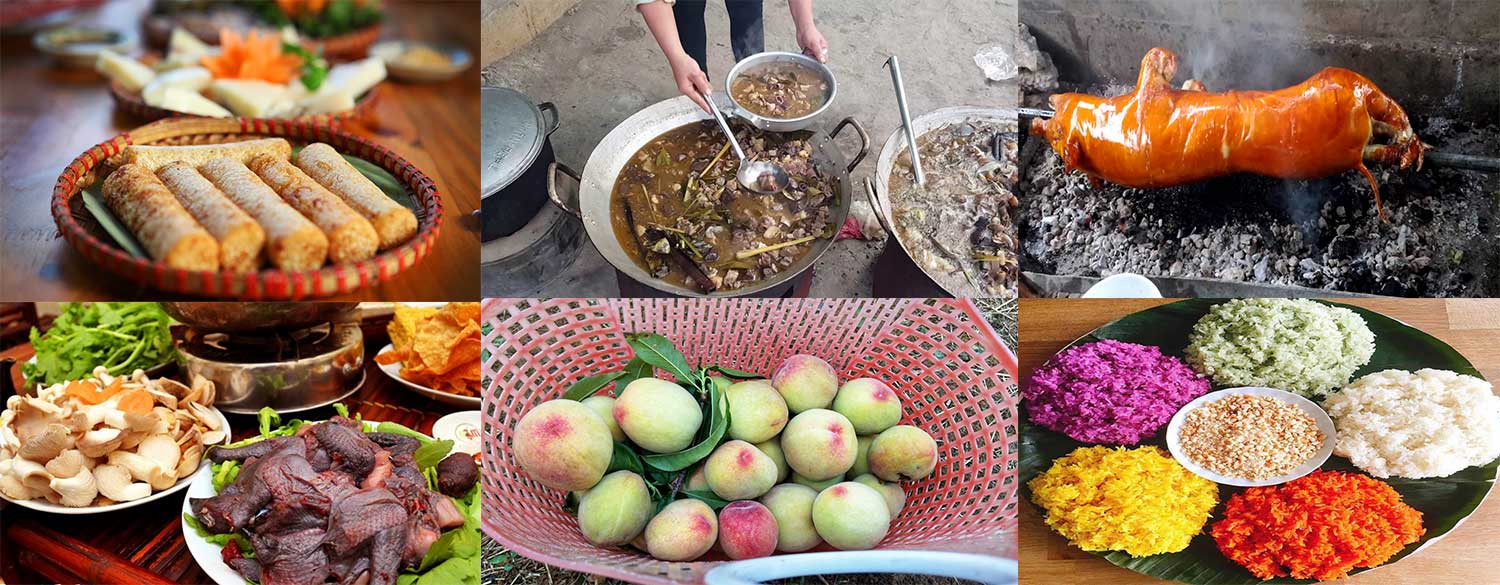
Guide to Eating in Sapa - What & Where to Eat in Sapa
"In Sapa, food is warmth. The mist rolls in from Hoàng Liên Sơn each afternoon, and every dish is designed to push it back — one simmering clay pot, one bamboo tube of sticky rice, one crackling grill at a time."
Why Sapa Food Is Unlike Anything Else in Vietnam
Perched at over 1,500 metres above sea level in the Hoàng Liên Sơn mountain range, Sapa's cool, misty climate shapes every bite. The town is home to a rich patchwork of ethnic communities — the Hmong, Dao, Tày, Giáy, and others — and each group has woven its own culinary traditions into the fabric of highland life. Meals are often cooked over wood-fired stoves, shared communally, and built around ingredients foraged from the surrounding forests: wild herbs, mountain mushrooms, freshwater fish from cold streams, and free-range animals raised in open valleys.
What you will find here are flavours that simply do not exist at lower altitudes — a native pepper called mắc khén that tingles on the tongue, cardamom harvested from the hillsides, and smoke-cured meats that have hung over kitchen hearths for weeks. Eating well in Sapa means stepping beyond the tourist-facing restaurants on the main strip and exploring the markets, village eateries, and street stalls where the real magic happens.
Must-Try Dishes in Sapa
Here is your essential eating list — curated with the kind of insider knowledge that only comes from knowing these mountains well.
Thắng Cổ (Horse & buffalo stew)
The legendary dish of the Hmong people: a rich, oily stew of horse meat, organs, and bones slow-simmered with nearly 20 mountain spices including cardamom, star anise, lemongrass, and mắc khén. Cooked in great iron cauldrons at market gatherings, it is the taste of community and heritage.
Local tip: Best experienced at the Saturday market. The smell is pungent — approach with an open mind. Pair with maize wine (rượu ngô) for the full experience.
Cơm Lam (Bamboo-tube sticky rice)
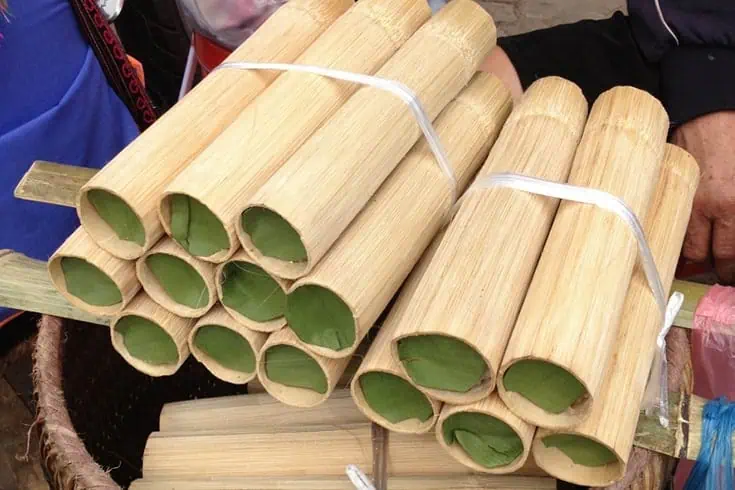
Glutinous rice packed into a freshly cut bamboo tube with a little salt and river water, then roasted slowly over charcoal. The result is subtly sweet and nutty, with a thin crispy crust and a chewy, fragrant centre. Sold by roadside vendors throughout town and on trekking trails.
Local tip: Eat it fresh off the grill. Pair with grilled pork skewers from a nearby stall for a complete street-side lunch.
Thịt Lợn Cắp Nách (Black-pig roast)
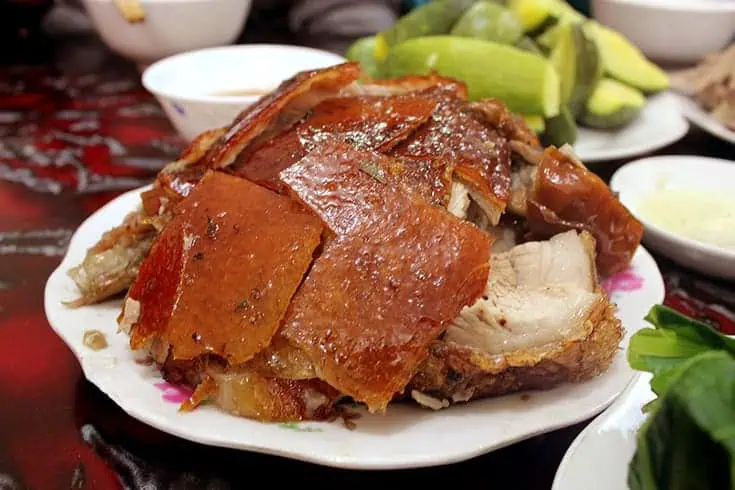
These small free-range black pigs — weighing only 10–20 kg and traditionally carried to market under the farmer's arm — produce exceptionally lean, sweet, fragrant meat. Marinated with honey, salt, and forest herbs, then grilled whole over charcoal until the skin crackles and the meat falls apart.
Local tip: Order the "7-style pork platter" (lợn 7 món) for groups — it lets you taste the same pig prepared seven different ways.
Cá Hồi & Cá Tầm Lẩu (Salmon & sturgeon hotpot)
Sapa's cold, crystal-clear mountain streams produce exceptional farmed salmon and sturgeon. The fish are served in a bubbling hotpot with a fragrant sour-spicy broth made from pineapple, tomatoes, forest mushrooms, and mắc khén. This is the quintessential Sapa dinner after a long day of trekking.
Local tip: Look for restaurants on Mường Hoa Street or Thú Đầu Một Street — the fish tanks out front indicate fresh stock.
Gà Đen (Black-bone chicken)
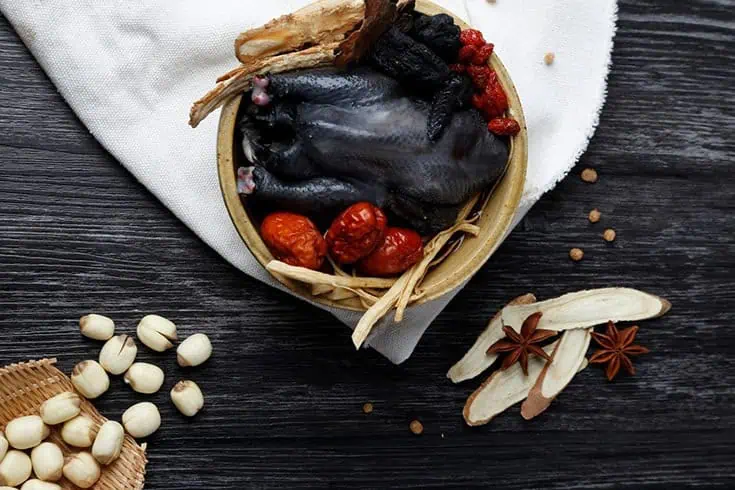
A native highland breed with jet-black skin, meat, and even bones. Traditionally slow-simmered with medicinal herbs, locals consider it restorative for cold-weather ailments. Surprisingly mild and tender in flavour, often also grilled with honey until crispy over charcoal.
Local tip: Don't be put off by the dramatic colour — it tastes far milder than it looks and is one of the most nutritious proteins on the menu.
Xôi Ngũ Sắc (Five-colour sticky rice)
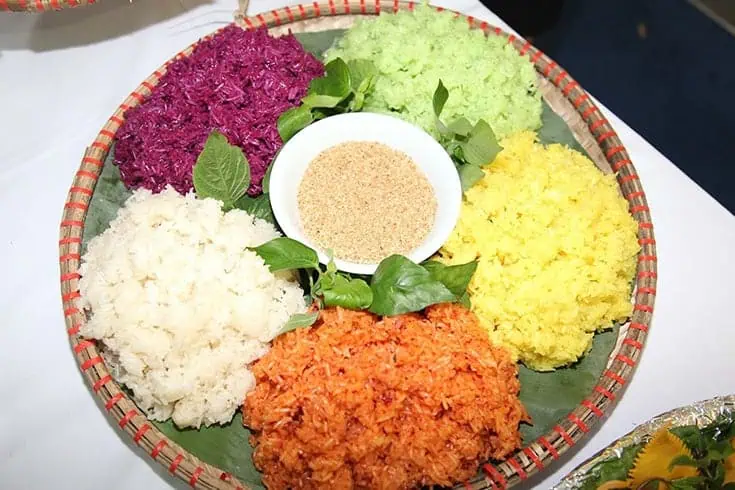
A visual feast as much as a culinary one — five distinct colours of glutinous rice naturally dyed using turmeric, pandan leaves, indigo plant, and magenta herbs. Each colour symbolises good luck, health, or harvest. A beloved breakfast and market snack of the Tày people.
Local tip: Best found at the morning market before 8 am, eaten warm with a strong cup of highland tea.
Phở Khô / Cốn Sủi (Sapa-style dry pho)
Sapa's answer to pho — but with no soup. Flat rice noodles are tossed in a savoury sauce and topped with sliced pork or beef, roasted peanuts, crispy shallots, fresh herbs, and sweet potato. A warming, satisfying dish unique to this region.
Local tip: Add a heap of chilli sauce to open up the flavours. Found in small local noodle shops around the town centre.
Thịt Trâu Gác Bếp (Smoked buffalo jerky)
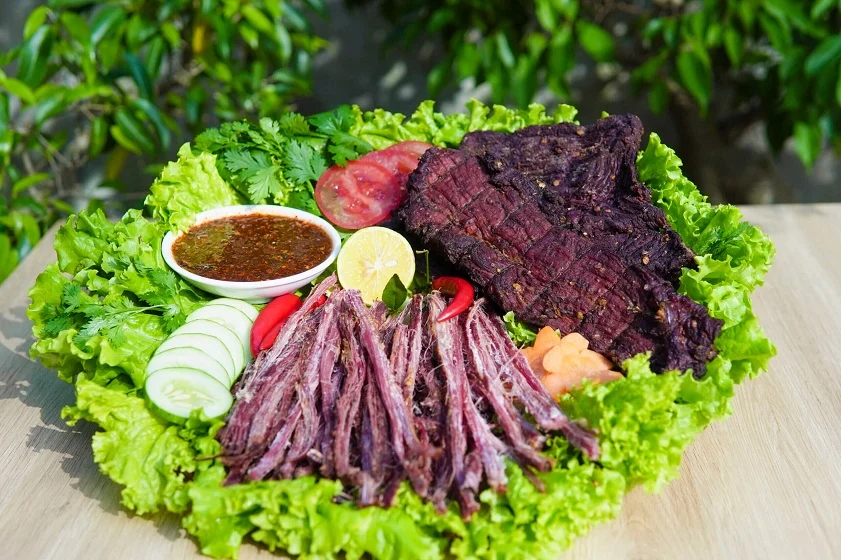
Thick strips of buffalo meat seasoned with local spices and hung above kitchen hearths to smoke and air-dry for weeks — sometimes months. The result is intensely flavoured, chewy, and deeply smoky. Often served sliced with a fiery chilli dipping paste and a cold beer.
Local tip: A superb food souvenir — vacuum-sealed portions are sold throughout the market and keep well for travel.
Where to Eat in Sapa
Sapa's dining landscape ranges from sizzling street corners to quiet village kitchens. Here is how to navigate it.
Sapa Market (Chợ Sapa): The town's central covered market is the heartbeat of local food culture. Go early for xôi ngũ sắc and fresh bánh cuốn (steamed rice rolls with pork and mushrooms). On weekends, the surrounding lanes fill with Hmong vendors selling smoked meats and mountain produce.
Sapa Night Market: From around 6 pm, the open-air night market near the main square comes alive with charcoal grills. Corn, sweet potato, skewered meats, and chestnut cakes (bánh hạt dẻ) line the stalls. This is the best spot for casual grazing and street-food variety.
Mường Hoa Street: The main restaurant strip. A good balance of local staples and visitor-friendly menus. Look for fish tanks in the window — a reliable indicator of fresh salmon and sturgeon. Moment Romantic Restaurant at number 22 is well-regarded for highland hotpot.
Village Eateries (Tả Van, Cát Cát): For the most authentic experience, eat in the villages. Family-run kitchens in Tả Van and Cát Cát serve home-style highland meals — often cooked over wood fire and served with mountain-distilled rice wine. These are typically the cheapest and most flavourful meals you will find.
Restaurants Worth Knowing
Nhà Hàng Anh Dũng — A reliable local favourite for xôi ngũ sắc, smoked meats, and a full spread of Sapa specialities. Popular with families and groups.
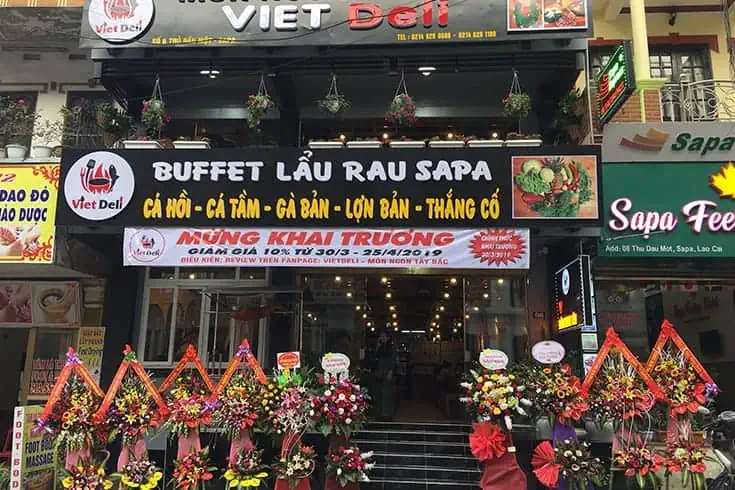
Viet Deli (6 Thu Dau Mot Street) — A clean, welcoming spot praised for its salmon hotpot and attentive service. Good for first-timers who want authentic food in a comfortable setting.
Thắng Cố A Quỳnh — If you are brave enough to try thắng cổ, this is one of the most respected spots in town for the real version.
Local four-table chicken restaurant (near town centre) — A simple spot with no formal name but an enthusiastic chef known for black-bone chicken (gà đen) dishes. With only four tables and local draft beer on tap, this is as local as it gets. Prices are very affordable.
What to Drink
Sapa's drinking culture is as distinctive as its food. Rượu ngô (maize wine) is the spirit of the highlands — a clear, strong distillate made from corn and best sipped slowly alongside thắng cổ at a market gathering. Tào Mèo wine, brewed by the Hmong from wild Assam apples grown on the mountain slopes, is sweeter and more approachable — a beautiful souvenir to bring home.
For non-alcoholic options, highland herbal teas brewed from cardamom, chrysanthemum, and local mountain leaves are served in most local eateries and are perfect for warming up on cold evenings. The coconut coffee at Cộng Cà Phê is a must-try dessert drink if you need a sweet treat.
Practical Tips for Eating in Sapa
- Go early to markets. The best street food — xôi, bánh cuốn, fresh cơm lam — is gone by 9 am. Set your alarm and eat breakfast like a local.
- Look for the food safety certificate. Restaurants displaying a visible food hygiene certificate (chứng nhận vệ sinh an toàn thực phẩm) are a safer bet, particularly for hotpots and raw fish dishes.
- Eat in the villages, not just the town. Family-run eateries in Tả Van and Cát Cát offer more authentic, often more delicious, and considerably cheaper meals than restaurants on the main tourist street.
- Budget wisely. A full meal at a local eatery costs 40,000–80,000 VND (roughly $1.50–$3.50 USD). Salmon hotpot for two at a mid-range restaurant runs 200,000–350,000 VND.
- Seasonal specialities matter. Visit in June–July for fresh Tả Van plums and wild mountain pears (mắc cọp). Chestnuts are best in autumn. Salmon and hotpot are ideal in the cooler months (October–March).
- Support women-led cooperatives. Several village cooperatives and women-led eateries serve excellent food while directly supporting indigenous families. Ask your guesthouse or guide for recommendations.
A Final Word
Sapa's food is not about refinement — it is about survival, celebration, and belonging. Every dish carries the fingerprint of the land and the people who shaped it: the smoky patience of smoked buffalo hanging over a hearth, the earthy warmth of thắng cổ bubbling over firewood, the quiet beauty of five-coloured rice at a morning market. To eat here with curiosity and openness is to understand Sapa in a way that no viewpoint or valley walk can quite achieve.
Come hungry. Eat slowly. And follow the smoke.
Plan your trip
Tell us about your plans and one of our specialists will plan a unique trip for you...
MAKE AN ENQUIRY